Begin with a meeting, not an invention myth
Country and rock have exchanged musicians, rhythms and songs too often for one album to explain their entire relationship. The Byrds’ Sweetheart of the Rodeo is nevertheless a useful documented starting point. The Country Music Hall of Fame traces its Nashville sessions to March 1968 and identifies local players including John Hartford and Lloyd Green, with Jay Dee Maness playing steel on Los Angeles sessions. The record’s sound came from actual musical collaboration, not simply adding a rural image to a rock band.1
Listen for how steel guitar changes the space around a vocal. It can make the band feel less like a wall of rhythm and more like a set of answering voices. Then consider the reverse movement: country songwriting gains a different physical weight when electric guitars and drums press forward together. Neither direction requires abandoning the song. The most revealing recordings make you hear the relationship between the lyric’s scale and the band’s scale.
The electric band can act like another narrator
A guitar riff can establish confidence before the singer admits uncertainty. A restrained opening can make an ordinary line feel ominous. A solo can extend a mood after the lyric has stopped supplying information. These are narrative effects of arrangement, and they are central to a useful account of country rock. More distortion alone does not create them; the placement and duration of the guitar part matter.
Try separating three layers in your listening: the song’s situation, the lead singer’s performance and the band’s response. If all three move together, the recording may feel emphatic. If they pull in different directions, the result can feel conflicted or dramatic. Keep this distinction when comparing artists. It prevents “country words plus rock guitars” from becoming the whole explanation. The guitar-tone guide explores how attack and sustain contribute to that response.
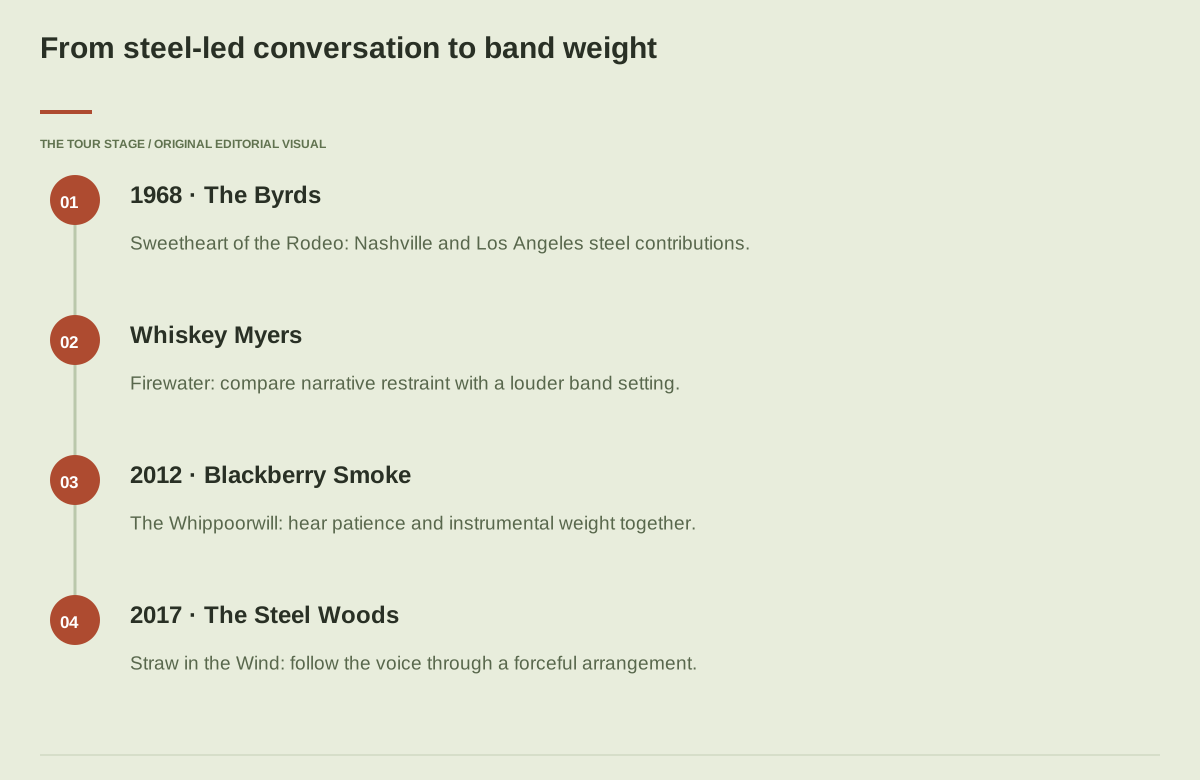
From steel-led conversation to band weight
- 1968 · The ByrdsSweetheart of the Rodeo: Nashville and Los Angeles steel contributions.
- Whiskey MyersFirewater: compare narrative restraint with a louder band setting.
- 2012 · Blackberry SmokeThe Whippoorwill: hear patience and instrumental weight together.
- 2017 · The Steel WoodsStraw in the Wind: follow the voice through a forceful arrangement.
Read the visual as text
- 1968 · The ByrdsSweetheart of the Rodeo: Nashville and Los Angeles steel contributions.
- Whiskey MyersFirewater: compare narrative restraint with a louder band setting.
- 2012 · Blackberry SmokeThe Whippoorwill: hear patience and instrumental weight together.
- 2017 · The Steel WoodsStraw in the Wind: follow the voice through a forceful arrangement.
Whiskey Myers: the contrast inside the catalogue
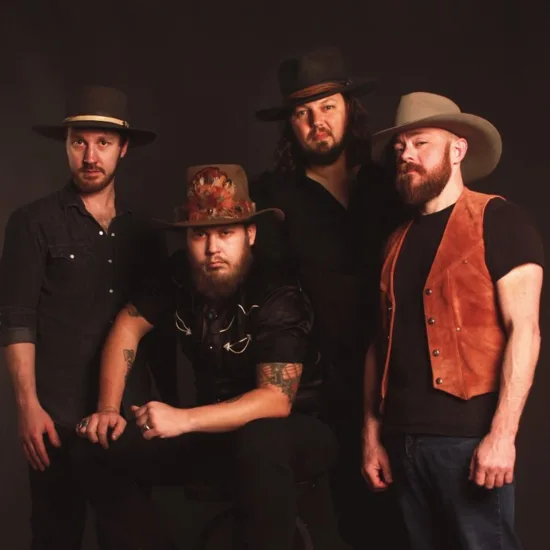
Whiskey Myers’ official catalogue includes Firewater, Early Morning Shakes, Mud and Tornillo. Firewater supplies a productive starting point because “Broken Window Serenade” offers a route into the band through a song rather than a display of volume. Listen to its narrative movement and the way the arrangement supports the singer, then compare a more forceful selection from the same catalogue. A band identity can survive a substantial change in intensity.2
Do not equate a quieter performance with the band briefly becoming country, then a louder one with it becoming rock again. The contrast is the useful evidence. Hear what stays recognisable: the vocal grain, a way of placing a guitar response, or the weight of a rhythmic entrance. When an album makes room for several kinds of energy, the loudest moment can gain meaning from what preceded it. Sequencing is part of the sound too.
Blackberry Smoke: a band can be broad without becoming vague
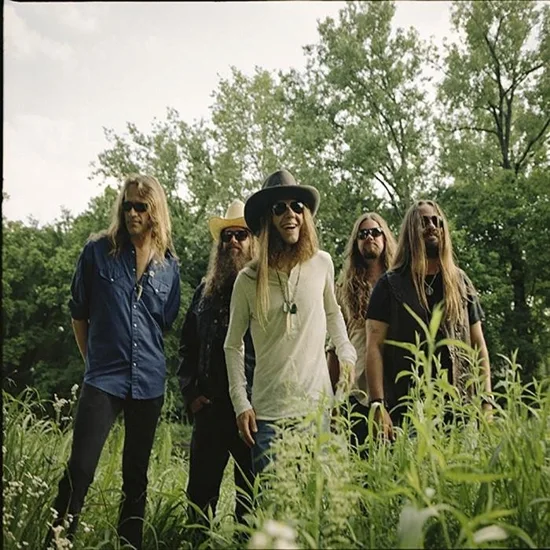
Blackberry Smoke’s The Whippoorwill gives the next stop in this route. The rights-holder catalogue identifies the title track’s writer as Charlie Starr and its producers as Blackberry Smoke, Clay Cook and Zac Brown, with 2012 as the first release. Those credits are useful because they locate the recording’s making rather than leaving “Southern sound” as an unexplained adjective.3
Move between the title track and “One Horse Town.” Listen for the relationship between melodic patience and band weight, especially when a phrase is allowed to hang before the next entrance. A band need not fill every gap to sound substantial. The spaces can make an instrumental reply feel deliberate. Keep attention on the rhythm section as well as the lead guitar; a relaxed-feeling surface may depend on very firm underlying coordination.
The Steel Woods: weight and storytelling
The Steel Woods’ official shop lists Straw in the Wind as a 2017 release and places it within a catalogue that also includes Old News and All of Your Stones. Use the title track as a listening doorway, then hear another album track before deciding what the band does. A strong narrative atmosphere can arise from a repeated figure, a change in vocal intensity or an arrangement that delays its full force.4
When the guitars are dense, ask whether you can still follow the shape of the sentence. Does the band withdraw under an important line? Does a repeated riff acquire a different emotional meaning after a verse? These questions get closer to the record than a generic claim that it sounds gritty. They also make room for differences among the three modern bands here. Shared territory does not mean identical songwriting, pacing or guitar language.
A selective chronology, not a straight family line
The visual route begins with the Byrds in 1968, then moves to later recordings associated with Whiskey Myers, Blackberry Smoke and the Steel Woods. It is a listening sequence chosen by the editors, not proof that one band directly caused the next. The history between those points contains many other artists, including California country rock and Southern rock traditions, and no short guide can represent all of them responsibly.
Use the outlaw-country history to examine creative control and industry context, and the Red Dirt guide to understand a related Oklahoma scene. These connections overlap without collapsing into one label. “Outlaw” can describe a historical movement; Red Dirt names a particular community; country rock describes an interaction of musical approaches. A recording may be relevant to more than one discussion for different reasons.
Make the route audible in one sitting
Play a selection from Sweetheart of the Rodeo, then one track each by Whiskey Myers, Blackberry Smoke and the Steel Woods. At every stop, identify the first instrumental statement, the first change in intensity and the ending. Does the song finish with a firm close, let an instrumental passage carry it away or return to an earlier texture? The ending tells you how the band wants the emotional pressure to resolve.
On another day, reverse the order. Starting with a modern band can make the older steel-and-vocal relationship more noticeable; beginning with the earlier record can sharpen your sense of how guitar weight has changed. The route is successful if it produces more precise listening, not if it persuades you that all four records belong in exactly the same category. Country rock remains interesting because the conversation has several participants, and because each band can renegotiate the balance between song, singer and collective force.
Sources & further reading
- Country Music Hall of Fame: artists following Nashville sessions1968 Byrds sessions and credited steel players.
- Whiskey Myers official music catalogueVerified album catalogue.
- Ginn Music Group: The WhippoorwillRights-holder track writer, producers and 2012 release.
- The Steel Woods official recordsOfficial catalogue and Straw in the Wind 2017 listing.