Orient yourself to Big Mountain Ranch
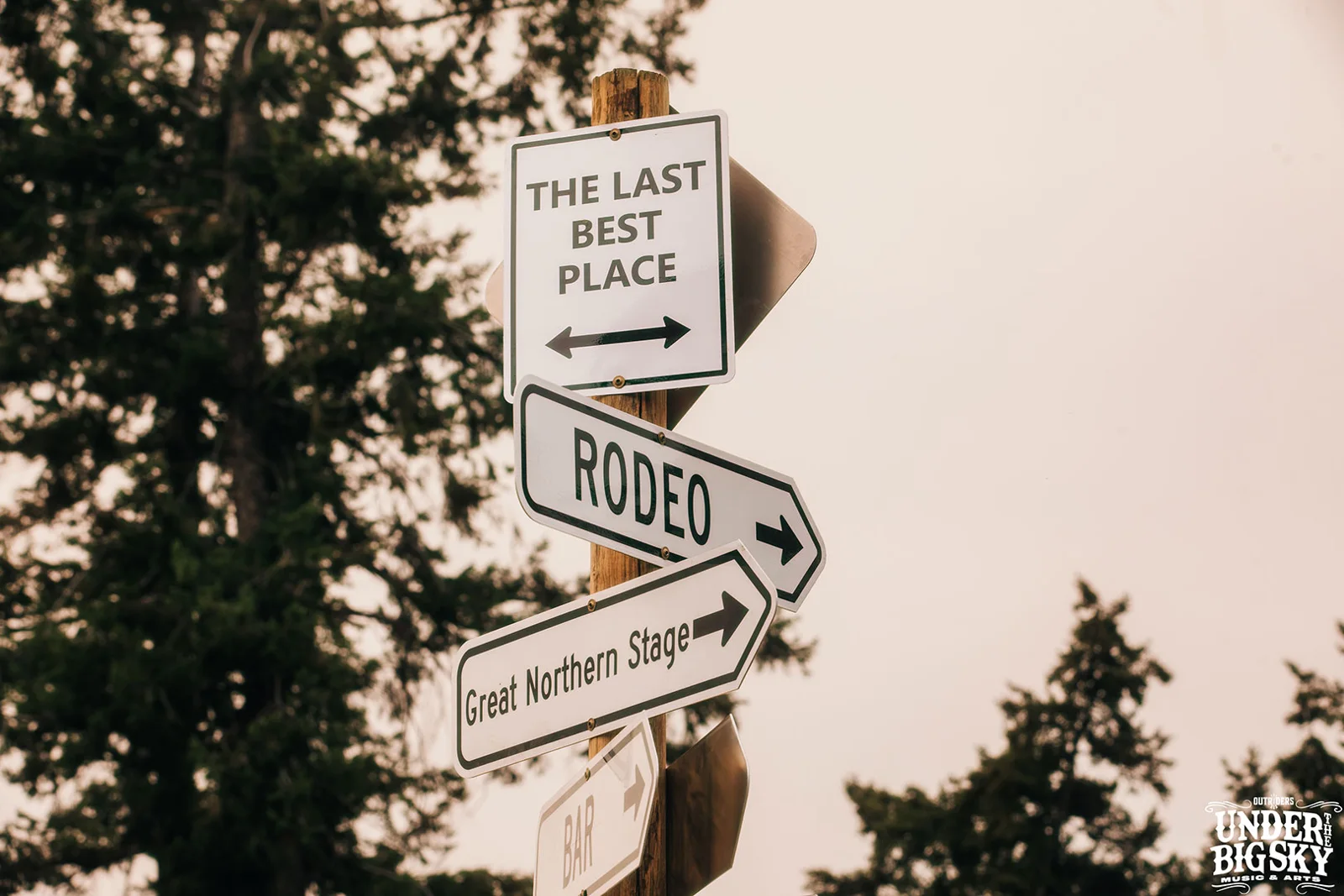
The official festival identifies July 16–18, 2027, at Big Mountain Ranch in Whitefish, Montana. Its programme is presented as music, rodeo and roundup, placing the ranch environment beside the concert experience. Use that specific event location rather than treating Whitefish as the entire venue.1
Keep three places distinct when planning: your lodging, the festival approach and the performance area. An attractive regional itinerary is not necessarily a workable concert itinerary. Before adding a long outing, count the time needed to return, eat and reach the first set you want to hear. On a three-day visit, a morning left uncommitted can be useful recovery time. The aim is to enjoy the setting while arriving at the ranch ready to listen, rather than turning every afternoon into a race back from somewhere else.
Hear the programming as a conversation between styles
The official artist directory offers the actual names on the event’s bill and is the appropriate reference for choosing who to explore. Its individual listings distinguish artists from a timed performance schedule, which should be consulted separately once published.2 Do not mistake an artist directory’s order for the running order of a stage.
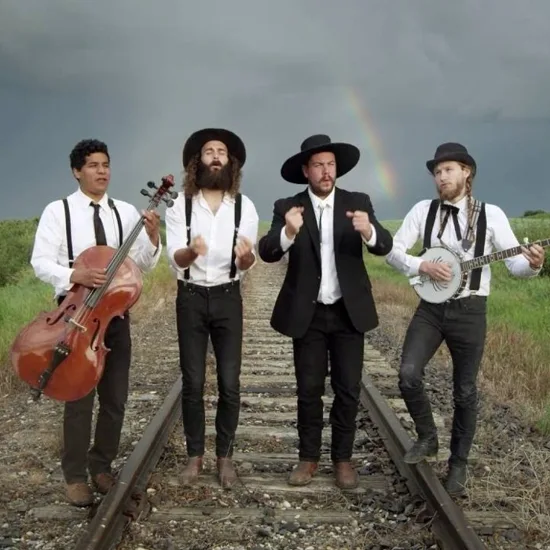
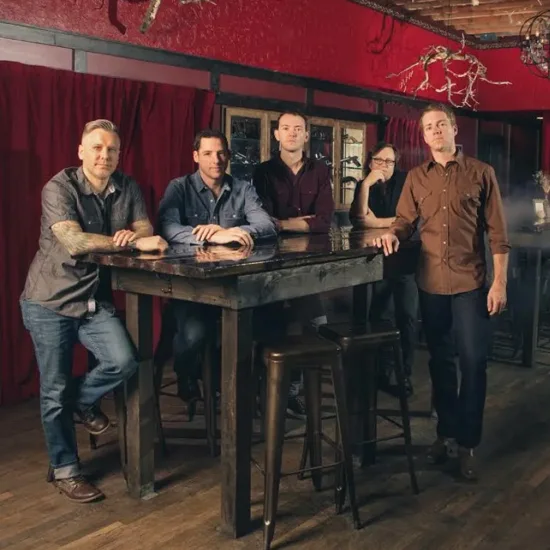
As a preparation exercise, compare Sierra Ferrell, The Dead South and The Infamous Stringdusters through the work of their voices and acoustic instruments. These are roots-listening reference points, not a claim about every edition’s lineup. Ask whether the song is carried by narrative, harmony, instrumental exchange or rhythmic drive. Our country and Americana comparison and bluegrass guide make those differences easier to hear without forcing every band into one box.
Four ways into the roots programme
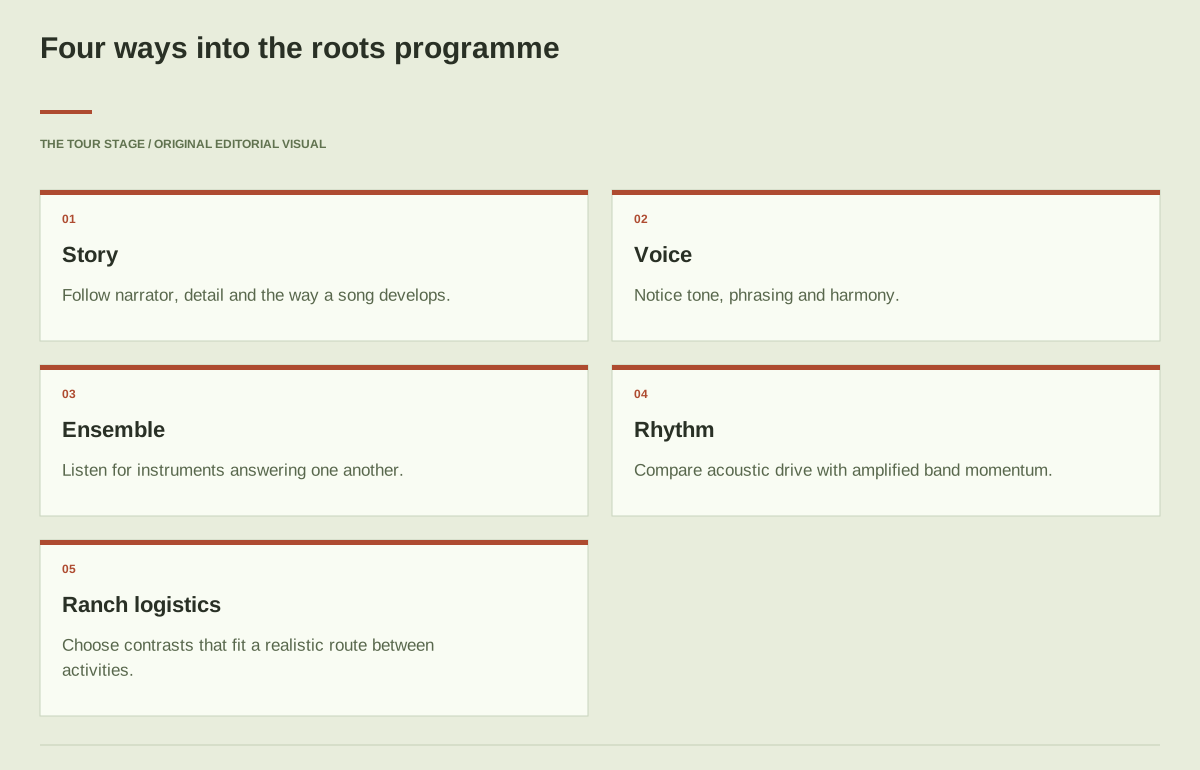
- StoryFollow narrator, detail and the way a song develops.
- VoiceNotice tone, phrasing and harmony.
- EnsembleListen for instruments answering one another.
- RhythmCompare acoustic drive with amplified band momentum.
- Ranch logisticsChoose contrasts that fit a realistic route between activities.
Read the visual as text
- StoryFollow narrator, detail and the way a song develops.
- VoiceNotice tone, phrasing and harmony.
- EnsembleListen for instruments answering one another.
- RhythmCompare acoustic drive with amplified band momentum.
- Ranch logisticsChoose contrasts that fit a realistic route between activities.
Plan around styles without creating a fake genre ranking
For a listening map, use editorial descriptions such as story-led songwriting, vocal character, acoustic ensemble interplay and amplified band energy. A performer can occupy several categories. The purpose is to identify a contrast you would enjoy hearing next, not to establish a hierarchy or label an artist permanently.
Choose one familiar anchor each day, then select an unfamiliar act whose musical approach differs. Stay for enough of a set to hear the band settle into its sound. An opening number can be designed to grab attention; a later song may reveal more about the writing or musicianship. If you leave a crowded performance early for another stage, make that a deliberate tradeoff instead of spending half the day walking while hearing only introductions. Note one recording to revisit and let the live experience guide the next listening session.
Separate local camping from the festival grounds
The organiser’s Stay directory lists both hotels and camping providers, including options in Whitefish and farther afield. Those listings describe accommodation choices rather than a blanket right to sleep in the festival parking area. The FAQ says overnight parking is prohibited, so an RV arriving for the music is not itself an overnight accommodation booking.34
For a campsite, establish the operator, exact address, check-in procedure and journey to the ranch. Ask whether your transport is included or booked separately. For a hotel, inspect room occupancy and the final nightly total. Compare the complete stay, including the route back after the last performance. A short distance on a regional map does not guarantee a pedestrian route, a safe roadside walk or a vehicle waiting when the show ends. Those are specific questions to resolve before choosing a bed.
Make the airport only the first leg
The official FAQ identifies Glacier Park International Airport in Kalispell as the closest airport and estimates a roughly twenty-minute drive to the festival site. It also says parking is complimentary for ticket holders, prohibits overnight parking and describes shuttle information as something provided closer to the event. The airport estimate is orientation, not a promise about queues or travel on your particular arrival day.4
Allow for collecting luggage, rental-car handover, accommodation check-in and the final festival approach. If you fly without renting a car, check how each transfer will work, including the return on all three evenings. Reserve the route you actually intend to use and keep a backup that does not rely on everyone getting a signal at the same moment. Do not treat a future shuttle announcement as an already purchased service. When its details appear, compare stops and return windows with your lodging rather than with the town name alone.
Keep the Montana setting in proportion to the programme
A beautiful regional setting can tempt visitors to build two holidays into the same three days. Make a conscious choice about which hours belong to the festival. If the music is the reason for travelling, protect the first discovery set and the final performance instead of leaving them as the expendable edges of a sightseeing day. If the wider Montana visit matters equally, add separate travel days when your budget and commitments allow rather than cramming major outings between late nights.
For each possible excursion, write an honest return time including the drive, a meal and preparation for the ranch. Then ask what performance you would give up if that return slips. An outing worth missing a set may still be a good choice; the problem is pretending there is no tradeoff. Keep the first morning especially simple if you arrived late the previous evening. A relaxed breakfast and a little listening preparation can add more to an afternoon set than another hurried destination.
At the festival itself, leave some attention for the surroundings without treating every pause as content to record. Notice how a quieter acoustic arrangement feels outdoors compared with an amplified band, and how the audience gathers for different kinds of performance. Those observations connect place and programme more meaningfully than a tightly packed list of regional attractions. A good Under the Big Sky trip makes room for the ranch experience while remembering why the ticket was purchased.
Decide what an upgrade changes for you
The current FAQ describes GA, VIP and VIP+ products. VIP areas are restricted to people aged twenty-one and over; standard VIP and VIP+ have different bar inclusions. Those distinctions matter for a mixed-age party and for a cost comparison. Review the live product descriptions before buying, especially if you intend to spend most of your time with friends who hold another category.4
Ask what problem the upgrade solves. Is it shade, facilities, a place to pause or a specific permitted area? If the answer is vague, compare the upgrade with a more convenient lodging and transport arrangement. Keep the benefit of the whole weekend in view. A group can share a daily meal while choosing different products, but it should not assume everyone can meet inside a restricted space. Pick a shared landmark in a mutually accessible area and agree on the time before splitting up.
Prepare for a day on working outdoor terrain
The organiser maintains specific accessibility information and directs visitors there from its FAQ. Use it to ask about the actual route between arrival, viewing and facilities rather than assuming that open land means every path is equally easy to travel.5 Describe any mobility equipment and the parts of the day you intend to attend.
Pack for repeated outdoor walking and keep the day bag small enough to carry comfortably. Consult the current permitted-items rules for containers, bags and personal equipment. Schedule food before the performance you cannot bear to miss, and preserve a rest block rather than expecting to stand continuously. If the group has different stamina, agree that separate routes are acceptable. The strongest listener is not the person who covers the most ground, but the one who can still pay attention to the final performance.
Give the last day a realistic ending
Put accommodation checkout, packing and onward travel beside the final day’s music in the weekend planner. If a long journey follows, decide in advance how you will handle rest. Use the festival dashboard for shared transport, lodging and food totals rather than keeping the accommodation quote separate from the cost of reaching it.
At the end of the visit, revisit the musical contrasts you heard. A roots festival can send you home with an instrumental band, a narrative songwriter and a distinctive singer all on the same new playlist. That is the real value of a broad programme. Planning around the ranch, a workable return route and a modest number of clear priorities leaves enough attention for those connections to emerge.
Sources & further reading
- Under the Big Sky official homepageJuly 16–18, 2027; Big Mountain Ranch, Whitefish; music, rodeo and roundup.
- Under the Big Sky artistsOfficial artist directory; listings distinguish artist identity from forthcoming set times.
- Under the Big Sky Stay directorySeparate camping and hotel providers across the area.
- Under the Big Sky FAQAirport orientation, parking, shuttle update status and pass distinctions; factual summary kept compact.
- Under the Big Sky accessibilityOfficial accessibility route linked by organiser FAQ; direct retrieval was restricted.